Source strobe led side marker light for Cars, Trucks, and Trailers
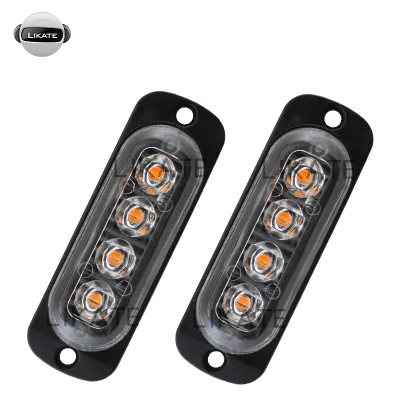
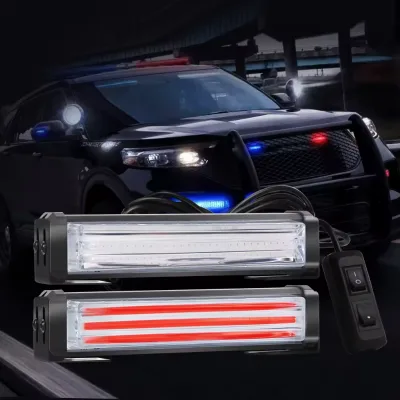
Compare 30 strobe led side marker light options from verified suppliers. Buyers can evaluate specifications like voltage, waterproof ratings, and installation locations for automotive repair and manufacturing needs. These units feature LED materials, various beam patterns, and standard certifications suitable for diverse vehicle applications.
Key considerations
Products List




Comprehensive Sourcing Guide
Strobe Led Side Marker Light Sourcing Guide
Procuring strobe LED side marker lights requires a nuanced understanding of automotive lighting regulations and component compatibility. These lights serve as critical visibility aids, ensuring vehicles are seen from the side during low-light conditions or adverse weather. Buyers must distinguish between static markers and active strobe functions, as the latter often triggers stricter regulatory scrutiny depending on the target market. The core challenge lies in balancing high-intensity visibility with compliance to avoid legal liabilities for vehicle manufacturers or aftermarket installers.
The sourcing landscape for these components is diverse, ranging from generic universal parts to OEM-specific replacements. Suppliers often list products with varying beam patterns, such as spot or flood, and different color temperatures that affect perceived brightness. Understanding the specific installation location, whether on the side mirror, tailgate, or door panel, is essential for selecting the correct form factor. Buyers should prioritize suppliers who provide clear technical datasheets that detail electrical characteristics, ensuring seamless integration into existing vehicle wiring harnesses without causing voltage drops or circuit overloads.
Product Scope and Observed Listing Signals
Market listings for strobe LED side marker lights reveal a wide spectrum of product attributes, including voltage ratings of 12V and 24V, catering to both passenger cars and heavy-duty trucks. Observed data indicates that materials vary significantly, with options ranging from durable plastic housings to LED-based assemblies designed for longevity. The presence of waterproof ratings, such as IP67, is a common feature, signaling resistance to dust and water ingress, which is vital for components exposed to the elements. Buyers should carefully review these specifications to ensure the selected unit matches the environmental demands of its intended installation site.
Further analysis of listing signals shows that customization is frequently available, allowing buyers to tailor aspects like color, beam pattern, and packaging to their specific needs. Some products are marketed with specific models like DB-TS-079 or L2256, indicating standardized designs that may offer better supply chain stability. The inclusion of features such as dustproofing and specific bulb types, like H5W bases, provides additional clues about compatibility with existing vehicle systems. It is crucial to verify that the listed dimensions, such as 9520mm or 11454*22mm, physically fit the designated mounting area to prevent costly return logistics.
Technical Specifications to Verify
Electrical compatibility is the primary technical consideration when sourcing strobe LED side marker lights. Buyers must verify the input voltage range, as some units support both 12V and 24V systems, while others are strictly single-voltage. The LED quantity, often cited as 9 diodes in certain listings, directly impacts luminous intensity and heat dissipation requirements. It is essential to confirm the color temperature, such as 3000K, which influences the light's warmth and visibility against different backgrounds. Mismatched electrical specifications can lead to premature failure or improper functioning of the strobe effect, compromising safety.
Physical and optical specifications also demand rigorous verification. The beam pattern, whether spot or otherwise, determines how the light is distributed and perceived by other road users. Housing dimensions and installation locations, such as side mirrors or tailgates, must align with the vehicle’s design constraints. Additionally, the light type, whether signal, brake, or marker, dictates the operational mode and wiring configuration. Buyers should request detailed dimensional drawings and optical charts to ensure the product meets both aesthetic and functional requirements, avoiding integration issues during assembly or retrofitting processes.
Compliance and Safety Documentation
Regulatory compliance is non-negotiable for automotive lighting components, particularly those with active strobe functions. Buyers must ensure that suppliers provide valid certification documents, such as E-mark certification, which indicates adherence to European safety and performance standards. The absence of such certifications can result in legal barriers to entry in regulated markets. It is crucial to verify that the product meets specific regional standards, as requirements vary significantly between North America, Europe, and Asia. Non-compliant products can lead to shipment seizures, fines, and reputational damage for the buyer.
Beyond formal certifications, buyers should assess the documentation related to material safety and environmental regulations. Suppliers should provide information on the materials used, such as plastic or LED components, ensuring they are free from hazardous substances. Documentation regarding waterproof and dustproof ratings, like IP67, should be backed by test reports from accredited laboratories. This verification process helps mitigate risks associated with product failure in harsh environments. Buyers must insist on transparent documentation to ensure that every unit supplied meets the necessary safety and quality benchmarks for its intended use.
Cost Drivers and Commercial Terms
The cost of strobe LED side marker lights is influenced by several factors, including material quality, LED count, and certification status. Products with higher waterproof ratings and specific beam patterns often command a premium due to increased manufacturing complexity. Buyers should analyze the price range, which can vary from low-cost generic items to higher-priced specialized units, to determine the best value for their specific needs. Understanding these cost drivers helps in budgeting accurately and avoiding unexpected expenses during the procurement process.
Commercial terms, such as minimum order quantities (MOQ) and packaging details, also play a significant role in total cost of ownership. MOQs can range from small batches for testing to large volumes for mass production, affecting inventory management and cash flow. Packaging options, including carton or box packing, influence shipping costs and product protection during transit. Buyers should negotiate terms that align with their supply chain capabilities, considering factors like lead times and customization availability. Clear communication of these terms ensures a smooth transaction and minimizes logistical disruptions.
Supplier Qualification and Quality Control
Evaluating supplier qualification is critical to ensuring a reliable supply of strobe LED side marker lights. Buyers should assess the supplier’s production capabilities, quality control processes, and track record in the automotive lighting industry. Suppliers located in manufacturing hubs like Jiangsu, China, often have established supply chains and expertise in LED technology. However, buyers must verify the supplier’s ability to maintain consistent quality across large orders, as variations can lead to performance issues in the field.
Quality control measures should include rigorous testing for electrical performance, waterproof integrity, and optical consistency. Buyers should request samples for thorough evaluation before committing to large orders. It is also important to verify the supplier’s ability to handle customization requests, such as specific colors or packaging requirements. Establishing a clear quality agreement with the supplier, including acceptance criteria and defect rates, helps mitigate risks. Regular audits and performance reviews can further ensure that the supplier continues to meet the buyer’s standards over time.
Long-Term Procurement Checks
Long-term procurement success depends on continuous monitoring of supplier performance and market trends. Buyers should establish key performance indicators (KPIs) to track delivery times, product quality, and responsiveness to issues. Regular communication with suppliers helps in addressing potential problems early and fostering a collaborative relationship. Additionally, staying informed about changes in regulatory standards and technological advancements ensures that the sourced products remain compliant and competitive. Proactive management of these factors helps maintain a stable and efficient supply chain.
Supply chain resilience is another critical aspect of long-term procurement. Buyers should diversify their supplier base to mitigate risks associated with single-source dependencies. Developing contingency plans for potential disruptions, such as material shortages or logistical delays, ensures business continuity. Furthermore, evaluating the supplier’s commitment to innovation and improvement can provide a competitive edge in the market. By focusing on these long-term checks, buyers can build a robust procurement strategy that supports sustained growth and operational excellence in the automotive lighting sector.
FAQs
What voltage options are available for strobe led side marker lights?
These lights support both 12V and 24V input voltages to ensure compatibility with various vehicle electrical systems. The product specifications confirm dual voltage capability, allowing flexible installation across different car models without requiring additional converters or adapters for standard operation.
Which waterproof rating do these strobe led side marker lights meet?
The lights achieve an IP67 waterproof rating, ensuring protection against temporary immersion in water and complete dust ingress. This high standard guarantees reliable performance in harsh weather conditions, making them suitable for outdoor automotive applications where exposure to moisture is frequent.
Can I customize the packaging for these strobe led side marker lights?
Yes, customization is available for packaging requirements to suit specific buyer needs. The standard options include neutral packing or customer-specific demands, allowing flexibility in how the products are presented and shipped to meet diverse logistical or branding requirements for bulk orders.
What certifications are included with these strobe led side marker lights?
The products carry E-mark certification, verifying compliance with international safety and quality standards for automotive lighting. This certification ensures the lights meet regulatory requirements for use in various markets, providing assurance of reliability and safety for end-users and distributors.
How are these strobe led side marker lights packaged for shipping?
Packaging options include cartons, boxes, or neutral packing depending on the specific product model and buyer request. Individual packages typically measure around 10x10x5 cm, ensuring secure transport while minimizing volume, and bulk shipments are consolidated into larger cartons for efficient logistics handling.
Which installation locations are suitable for these strobe led side marker lights?
These lights are designed for installation on side mirrors, tailgates, and side turning light positions. The versatile design allows them to function effectively as signal lights or brake lights, adapting to various mounting points on different vehicle types for enhanced visibility and safety.